iPhone 17 Pro vs Galaxy S25+ – Which Premium Phone to Buy in 2026?
When it comes to buying a premium smartphone in 2026, the iPhone 17 Pro and Samsung Galaxy S25+ are two important options to consider. Both offer powerful processors, premium displays, advanced cameras, and modern software features. But the approach of these two phones is not the same.
Apple focuses more on performance, camera consistency, video recording, premium build quality, and the iOS ecosystem with its iPhone 17 Pro. The Samsung Galaxy S25+, on the other hand, highlights the large AMOLED display, Android flexibility, Galaxy AI, multitasking, and the Samsung ecosystem.
So, there is no single answer to the question “iPhone 17 Pro or Galaxy S25+ – which is best?”. The right choice will depend on what you use the phone for, which ecosystem you are comfortable with, how you use the camera, and how many years you plan to keep the phone.
In this comparison, we will take a detailed look at design, display, performance, camera, video, battery, charging, gaming, software, AI, everyday usage, productivity and long-term value.
iPhone 17 Pro vs. Galaxy S25+ – Design and Build Quality
When first encountering a flagship smartphone, it is the design that immediately catches our attention. The iPhone 17 Pro continues Apple’s design philosophy, which focuses on a premium and professional aesthetic. Compared to standard iPhone models, the Pro series generally prioritizes features such as premium materials and advanced camera hardware.
The Galaxy S25+ follows Samsung’s modern flagship design language. Despite featuring a large display, it is designed to offer a relatively slim and comfortable form factor. While both phones offer a premium feel, the preferred design ultimately depends on individual taste.
Some users might appreciate the iPhone’s minimalist and instantly recognizable appearance, while others might prefer Samsung’s clean Android flagship look. Therefore, when purchasing a phone, it is wise to consider not just the external appearance, but also how it feels in the hand.
Users who frequently operate their phones with one hand should pay particular attention to the dimensions. On the other hand, if a large screen is desired for movies, gaming, and productivity tasks, the Galaxy S25+ might prove to be a very attractive option.
Display – iPhone 17 Pro or Galaxy S25+?
The display is a crucial component of the smartphone experience. Most of what we view on a phone is seen through the display. Display quality is important for almost every daily activity—whether it is Instagram, YouTube, Netflix, gaming, viewing photos, browsing websites, reading documents, or checking messages.
The iPhone 17 Pro’s display offers a premium OLED experience. Apple generally prioritizes aspects like color accuracy, brightness, contrast, and smooth animations. Consequently, the colors and overall viewing experience feel comfortable during everyday use.
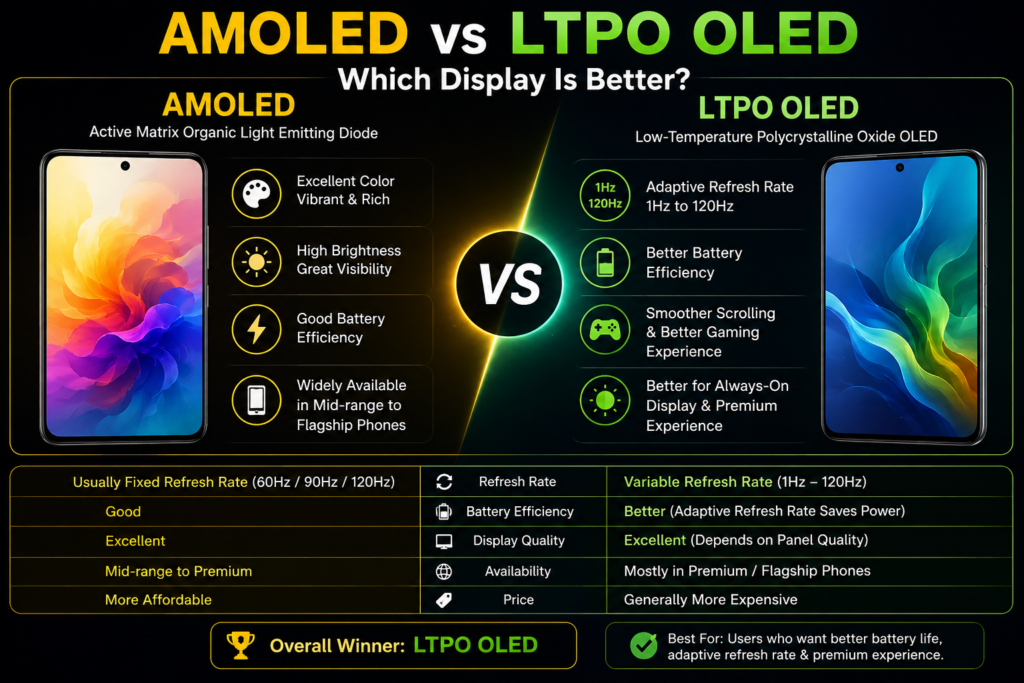
The Galaxy S25+ features a large Dynamic AMOLED 2X display. Samsung’s AMOLED technology has long held a strong reputation in the premium smartphone market. Thanks to deep blacks, vibrant colors, and a high refresh rate, the Galaxy S25+ is highly appealing for content consumption.
A large screen is an advantage when watching movies and YouTube videos. During gaming, the smooth refresh rate makes animations and scrolling feel fluid. The large display also provides more viewing area when browsing websites or reading documents.
At the same time, since the iPhone 17 Pro also delivers a premium display experience, one cannot say there is a significant compromise in quality between the two phones. If a larger screen and the Samsung AMOLED experience are priorities for you, the Galaxy S25+ is a strong option. If color consistency and the Apple ecosystem experience matter more to you, the iPhone 17 Pro might be the more appealing choice.
Outdoor Display Experience – How does it perform in sunlight?
It is not enough for a phone’s display to perform well only indoors; one must also consider whether the content remains clearly visible under bright sunlight. For instance, you might need to view maps while traveling, check the camera preview accurately during outdoor photography, or read messages and notifications while using the phone outside the office or college. In such situations, display brightness becomes a crucial factor.
Both the iPhone 17 Pro and the Galaxy S25+ are flagship phones designed with a premium display experience and outdoor visibility in mind. Therefore, one cannot simply label either phone as inferior in the display category. The Galaxy S25+ might appeal to those who prefer a large AMOLED panel for content consumption, whereas the iPhone 17 Pro might be preferred by those who value Apple’s display tuning and overall consistency. Ultimately, what matters most is where and how you primarily use your phone.
Performance – iPhone 17 Pro vs. Galaxy S25+
Performance is a key factor when purchasing a flagship phone. Apps should open quickly, the camera should launch instantly, the phone shouldn’t slow down with multiple apps running in the background, games should run smoothly, and there shouldn’t be any unnecessary lag during video editing. These practical aspects define the performance experience of a phone.
In this regard, both the iPhone 17 Pro and the Galaxy S25+ fall into the high-end performance category. A major strength of the iPhone 17 Pro is the performance of Apple’s Pro-level A-series chip and its hardware-software integration; since Apple develops both hardware and software within the same ecosystem, optimization serves as a significant advantage.
The Galaxy S25+ utilizes a flagship Snapdragon platform alongside Samsung’s software optimization, making it a device capable of delivering powerful performance in the Android flagship market. In typical daily use, most users are unlikely to notice a significant performance difference between the two phones.
Both phones handle everyday applications—such as WhatsApp, Instagram, YouTube, Chrome, banking apps, email, and Maps—smoothly. The real differences become apparent during demanding workloads like high-end gaming, video editing, and heavy multitasking. Therefore, rather than making a decision based solely on benchmark numbers, it is better to choose the phone that offers the level of performance best suited to your daily usage needs.
Gaming – Which Phone is Best?
By 2026, mobile gaming has become a significant part of smartphone usage. From casual gamers to those who play graphics-intensive titles, many users now prioritize a phone’s gaming performance. In this regard, the iPhone 17 Pro’s powerful chip and iOS optimization offer a strong combination; the integration of hardware and software on the Apple platform often results in excellent optimization for high-end games.
On the other hand, the Galaxy S25+ offers powerful hardware for Android gaming. Its large AMOLED display can provide an immersive gaming experience. However, when choosing a gaming phone, looking at the processor alone isn’t enough; factors such as display refresh rate, touch response, thermal management, battery drain, and sustained performance over long periods must also be considered.
Even if a phone achieves a high benchmark score, that advantage may diminish in real-world usage if performance drops due to overheating during extended gaming sessions. Both the iPhone 17 Pro and Galaxy S25+ are highly capable options for casual gaming. However, if you are a heavy gamer who plays for several hours daily, it is a smart choice to decide based on which platform offers better optimization for the specific games you play most often.
Camera – iPhone 17 Pro vs. Galaxy S25+
The camera is a key factor when comparing these two phones. Apple’s advanced Pro camera system is a major highlight of the iPhone 17 Pro. One of the greatest strengths of the Apple camera experience is consistency; achieving excellent results without constantly tweaking settings makes it highly convenient for everyday photography.
This consistent output is particularly useful for users who frequently capture portraits, photos of people, food, travel shots, and social media content. If you prefer a “point-and-shoot” approach—where you can snap a photo and use it immediately—you might appreciate this style.
The Galaxy S25+ camera system is designed to handle a wide range of shooting scenarios. Samsung generally prioritizes vibrant colors and detailed output. Additionally, the Galaxy camera app offers numerous shooting modes and controls, making the Samsung experience appealing to users who desire a bit more flexibility in their photography.
Main Camera Performance – Natural vs. Vibrant Photos
Most users rely primarily on the main camera for their everyday photography. However, the camera hardware alone does not determine the final result; image processing plays a significant role as well. Even when capturing the same scene with both the iPhone 17 Pro and the Galaxy S25+, the final photos may differ because the two companies employ distinct processing styles.
Apple’s image processing generally aims for a natural and balanced-looking output. In contrast, Samsung photos can sometimes deliver a more vibrant and punchier appearance. Consequently, one user might prefer a natural-looking photo, while another might favor a colorful, vibrant one.
Therefore, it would be inaccurate to declare a single “winner” in camera quality that suits everyone. While technical capability is crucial, the specific aesthetic you prefer in your photos is equally important. If you appreciate natural and consistent output, the iPhone 17 Pro might appeal to you; if you prefer a vibrant look and added camera flexibility, you might find the Galaxy S25+ more to your liking.
Zoom Photography – How to Capture Distant Subjects?
For many users, zoom photography is a key camera feature on flagship phones. You might need to photograph a distant building while traveling, capture the stage at a concert, photograph animals from afar during wildlife photography, or get a closer view of the action at a sports event. In such situations, good zoom capability proves extremely useful.
On both the iPhone 17 Pro and the Galaxy S25+, the zoom experience relies on a combination of hardware and software processing. Therefore, it is helpful to understand the difference between optical zoom and digital processing. Image detail may decrease when digital processing is heavily relied upon beyond a certain zoom level.
So, when buying a phone, rather than simply asking “how many times does it zoom?”, you should also consider how that zoom performs in real-world scenarios. Your decision might also depend on how frequently you use zoom—particularly for activities like travel, events, or outdoor photography.
Video Recording – A Key Strength of the iPhone 17 Pro
Apple has long enjoyed a strong reputation for video recording. Consistency is a primary reason why content creators, YouTubers, vloggers, and social media users rely on the iPhone as their video camera. A high-quality video isn’t defined by resolution alone; factors such as stabilization, autofocus, exposure handling, audio quality, and color consistency combine to shape the overall video experience.
In these areas, the iPhone 17 Pro stands out as a device that delivers a premium video experience. For creators who frequently shoot, edit, and publish videos to social media, the consistent workflow it offers can be highly practical.
The Galaxy S25+ also offers high-quality video recording capabilities, as Samsung has consistently improved the smartphone video experience over the past few years. However, if video creation is your primary requirement, the iPhone 17 Pro is certainly a strong option worth considering.
Portrait and Selfie Experience
Portrait mode has become a key feature that many users look for in smartphone photography today. It is widely used in various scenarios, such as capturing moments with friends and family, travel shots, events, and photos for social media.
Capturing a great portrait photo requires more than just background blur. Factors like skin tones, the natural separation between the subject and the background, accurate detection of hair edges, and overall exposure are equally important. Generally, the iPhone’s portrait processing aims for consistent results regarding skin tones and subject separation.
In certain situations, Samsung’s portrait processing may yield more vibrant-looking results. Ultimately, personal preference plays a significant role here; someone who prefers a natural and consistent portrait look might favor the iPhone, while someone who likes a slightly more vibrant appearance might prefer Samsung.
The selfie camera has also become crucial for social media users. Beyond just taking selfies, the front camera is used for video calls, creating Instagram content, and online communication. Therefore, when deciding which phone is best, it is worth considering the type of selfies you take and how frequently you use the front camera.
Battery Life – iPhone 17 Pro vs. Galaxy S25+
Battery life is not determined solely by battery capacity or specifications. Factors such as processor efficiency, display brightness, 5G usage, background apps, gaming, camera usage, and network signal strength can all influence a phone’s battery consumption.
The iPhone 17 Pro is likely to offer efficient battery usage thanks to the seamless integration of Apple’s hardware and software. On the other hand, the Galaxy S25+ aims to deliver extended daily usage by combining a larger battery capacity with an efficient flagship processor.
Both phones are capable of providing a full day of battery life under normal, everyday usage. However, the battery may drain faster if you engage in heavy gaming or continuously create video or camera content. Battery performance is particularly crucial for travelers, who may not always have access to charging facilities.
Charging – Samsung or Apple?
For some users, charging speed is a key deciding factor when purchasing a phone. It can be particularly useful to get a quick boost in charge within a short time—especially when heading out in the morning with a low battery.
The Galaxy S25+ offers the convenience of both wired and wireless charging, as does the iPhone 17 Pro. However, determining which phone is superior based solely on charging speed would not be entirely accurate.
If you typically charge your phone overnight, the difference in charging speeds might not seem significant in your daily routine. Yet, having the ability to get a quick top-up can be a practical advantage when traveling or on days involving heavy usage.
Software – iOS vs. One UI
The most significant philosophical difference between these two phones lies in the software experience. The iPhone 17 Pro runs on iOS, while the Galaxy S25+ uses Android with Samsung’s One UI.
iOS generally offers a simple and consistent experience. Because Apple’s system is relatively controlled, the integration between hardware and software is tightly optimized. If you already use devices within the Apple ecosystem—such as a MacBook, iPad, Apple Watch, or AirPods—the iPhone experience can be even more seamless.
On the other hand, Samsung’s One UI offers greater flexibility. Features like home screen customization, widgets, multitasking, split-screen capabilities, and additional system tools give Android users more freedom. The Galaxy S25+ holds an advantage in this area for those who wish to customize their phone to their own preferences.
In short, if you want to extensively customize your phone experience, the Galaxy S25+ might be the better choice; however, if you prefer a simple, consistent, and predictable software experience, the iPhone 17 Pro would likely be more suitable for you.
AI Features – Apple Intelligence vs Galaxy AI
When buying a smartphone in 2026, AI features have become a significant factor. Within the iPhone ecosystem, Apple Intelligence is utilized for writing assistance, visual understanding, image-related tasks, and various other intelligent functions. Meanwhile, Samsung Galaxy AI focuses on areas such as communication, photo editing, search, productivity, and translation.
However, simply having a large number of AI features does not automatically make a phone the best choice; what truly matters are the features you actually use in your daily life. For instance, summarization tools might be useful for a student trying to grasp lengthy content, while writing tools could save time for a professional. AI editing features might benefit photography enthusiasts, and translation tools could prove practical for frequent travelers.
On the other hand, if you do not rely heavily on AI features, you might prioritize fundamental aspects like processor performance, camera quality, battery life, and the overall software experience. Therefore, rather than deciding which phone is superior based solely on the quantity of AI features, it is better to choose a device based on which specific AI tools align with your actual usage needs.
Multitasking – The Galaxy S25+ Advantage
Multitasking is a key strength of the Android ecosystem. Samsung’s One UI offers numerous features designed to boost productivity. For instance, you can use a browser and a notes app simultaneously, use another app while watching a video, or quickly switch between documents and emails.
While the iPhone also possesses multitasking and productivity capabilities, some users who prefer the flexibility of traditional Android multitasking might find the Samsung experience more convenient. If you use your phone heavily for work-related tasks, the Galaxy S25+ could be a practical choice for you.
Ecosystem – Apple vs. Samsung
Modern smartphones are not standalone devices; they are used in conjunction with various other devices and services—such as laptops, tablets, smartwatches, earbuds, and cloud storage. Therefore, it is wise to consider the ecosystem when purchasing a phone.
The Apple ecosystem is highly integrated. When using both a MacBook and an iPhone, sharing files and photos or maintaining workflows across devices is seamless. For users who already own Apple devices, the iPhone 17 Pro is a natural choice.
Similarly, the Samsung Galaxy ecosystem allows for seamless integration between devices like phones, smartwatches, earbuds, and tablets. If you are already part of the Samsung ecosystem, the Galaxy S25+ would likely fit conveniently into your existing setup.
Ultimately, there is no single “winner” when it comes to ecosystems; the right choice depends on your current setup. If you already use Apple devices, the iPhone 17 Pro is the logical choice, whereas the Galaxy S25+ is the better fit if you are already within the Samsung ecosystem.
Software Updates and Long-Term Usage
When purchasing a premium smartphone, considering long-term software support is crucial. Even if a phone has powerful hardware, the overall user experience can suffer if software updates cease after a few years. Therefore, it is wise for those planning to use a phone for an extended period to take this factor into account from the start.
Apple has a strong reputation for providing long-term iOS updates. Samsung is also increasingly focusing on offering extended software and security support for its latest flagship devices. If you plan to use a phone for four or five years, it is practical to make your decision based on the manufacturer’s software support policy.
However, software support alone is not enough for long-term ownership. It is also important to consider whether battery replacements, repair services, and spare parts will be easily available in the future.
Productivity – Which Phone for Work?
Priorities differ slightly for those who use their phone as a primary work device. Tasks such as email, documents, video calls, calendars, notes, web browsing, and cloud storage are essential for daily use. Both the iPhone 17 Pro and the Galaxy S25+ are powerful enough to handle these tasks effectively.
The Galaxy S25+ might appeal to productivity-focused users due to its large display and multitasking flexibility; those who need to use multiple applications simultaneously, in particular, will appreciate the advantage of the larger screen.
On the other hand, the iPhone 17 Pro may be more useful for professionals thanks to its integration with the Apple ecosystem. For users who already own a MacBook or iPad, the iPhone workflow offers greater convenience. Conversely, the Samsung experience might be more practical for those already embedded in the Windows PC and Android ecosystems.
To put it simply in this category: the iPhone 17 Pro is likely the practical choice for MacBook and Apple ecosystem users, while the Galaxy S25+ is the practical choice for those within the Windows and Android ecosystems.
Everyday Usage – Which is Right for the Average User?
If you primarily use your phone for everyday tasks like WhatsApp, Instagram, YouTube, calls, browsing, and photography, both the iPhone 17 Pro and Galaxy S25+ can comfortably handle your needs.
In this scenario, your software preference might matter more than raw flagship performance. The iPhone 17 Pro offers a relatively simple and smooth experience, whereas the Galaxy S25+ provides an Android experience with greater flexibility and a wider range of features.
Ultimately, the best choice is the interface that feels most comfortable to you during daily use. It is better to decide based on your own usage patterns rather than relying solely on the opinions of others.
Who is the iPhone 17 Pro Best For?
The iPhone 17 Pro is a strong option, particularly for users already within the Apple ecosystem. It is worth considering for those who use a MacBook or iPad, video content creators, fans of the iOS experience, and anyone who prioritizes camera consistency.
It is also a suitable choice for those who value premium build quality and long-term software support. If most of these factors align with your needs, the iPhone 17 Pro makes for a practical flagship choice.
Who is the Galaxy S25+ Best For?
The Galaxy S25+ is likely to appeal greatly to users who value Android flexibility. It is a practical option if you want a large AMOLED display, enjoy customizing your phone, prioritize multitasking, plan to use Galaxy AI features, or are already part of the Samsung ecosystem.
Users seeking greater flexibility in photography might also prefer the Galaxy S25+. If the Android experience and customization are important to you, the Galaxy S25+ is a logical choice.
Value for Money – Which is Better?
When buying a flagship phone, it is not right to determine its value based solely on the price. First, consider how many years you intend to use the phone. You should also look at factors such as the quality of software support, the cost of a future battery replacement, and potential expenses for accessories.
It is also important to consider whether you are already part of the Apple or Samsung ecosystem. A phone available at a discount might offer great overall value, whereas another phone with a high resale value could result in a lower long-term cost of ownership. Therefore, rather than picking a winner based only on the purchase price, it is better to make a decision by considering the entire ownership experience.
iPhone 17 Pro vs. Galaxy S25+ – Final Verdict
Both the iPhone 17 Pro and Galaxy S25+ are powerful choices for users looking to buy a premium smartphone in 2026. However, they do not target the exact same audience; each phone has its own distinct strengths.
The iPhone 17 Pro’s key strengths lie in performance, iOS optimization, camera consistency, video recording capabilities, and the Apple ecosystem. It is likely to be highly attractive to those who prioritize photography and video creation, as well as existing Apple device users.
On the other hand, the Galaxy S25+ focuses on a large AMOLED display, Android flexibility, multitasking capabilities, Galaxy AI, and the Samsung ecosystem. It is a strong choice for users who prefer a large screen, customization options, and a flexible Android experience.
If cameras and video are your top priority, you might prefer the iPhone 17 Pro. If the display and customization matter most to you, the Galaxy S25+ could be the more attractive option. Both phones are powerful choices for gaming. However, the Galaxy S25+ may offer an advantage for productivity tasks that require heavy multitasking.
Similarly, if you are already within the Apple ecosystem, the iPhone 17 Pro is the natural choice. For those comfortable with the Samsung or Android ecosystem, the Galaxy S25+ would be the logical choice.
However, there is no single answer that fits everyone when asking, “Which phone is the best overall?” The real deciding factor is how you use your phone.
Before buying a phone, rather than making a hasty decision based solely on YouTube comparison videos and specification numbers, it is better to first list your requirements. Is the camera crucial to you? Do you need it for gaming? Is battery life important? Do you want a large display? Do you value customization? Do you already own Apple or Samsung devices? Once you have clear answers to these questions, deciding which phone suits you best becomes much easier.
In short:
iPhone 17 Pro – A strong choice for those who prioritize performance, camera consistency, video recording, and the Apple ecosystem. The Galaxy S25+ is a practical choice for those who value a large AMOLED display, customization options, multitasking capabilities, and the flexibility of Android.
Ultimately, when buying a premium phone in 2026, having high numbers on the specifications sheet isn’t the only thing that matters. The phone that proves most useful in your daily life is the true winner for you.
Comparelyst.com – Compare. Decide. Buy Smart.
Frequently Asked Questions
- iPhone 17 Pro or Galaxy S25+ – Which should you buy?
If iOS, Apple ecosystem, camera consistency and video recording are important, then the iPhone 17 Pro. If Android flexibility, large display, customization and multitasking are important, then the Galaxy S25+.
2. Which phone is better for camera?
Both phones offer a premium camera experience. The iPhone 17 Pro is strong in consistency and video experience. The Galaxy S25+ is attractive in camera flexibility and Samsung processing style.
3. Is the iPhone 17 Pro better for gaming?
Yes. The iPhone 17 Pro’s Pro-level Apple chip is powerful enough to handle demanding games and graphics-heavy applications. You should watch out for heat and battery usage during long gaming sessions.
4. Is the Galaxy S25+ display better?
Yes. Samsung’s Dynamic AMOLED display technology offers a premium viewing experience. The Galaxy S25+ is very attractive for movies, YouTube and gaming due to its large screen.
5. Will the iPhone 17 Pro battery last all day?
You can get adequate battery life in normal usage. But heavy usage like gaming, 5G, camera recording and high brightness will increase battery consumption.
6. Which is the best Galaxy S25+?
For those who want a large AMOLED display, Android customization, multitasking, Galaxy AI and Samsung ecosystem, the Galaxy S25+ is a good choice.
7. Which is the best iPhone 17 Pro?
If Apple ecosystem, iOS simplicity, premium performance, camera consistency and video recording are important, the iPhone 17 Pro is suitable.
8. iPhone 17 Pro vs Galaxy S25+ – Which AI features are better?
Both phones have AI features. Apple Intelligence and Galaxy AI offer different types of features. It is better to choose based on the specific AI features you are going to use.
9. Which phone is better for long-term use?
Both companies offer long-term software support for their flagship devices. It is also good to look at the current update policy, battery health and repair options when buying a phone.
10. iPhone 17 Pro vs Galaxy S25+ – Who is the Overall Winner?
There is no universal winner. iPhone 17 Pro is strong in camera, video, performance and Apple ecosystem. Galaxy S25+ is strong in display, customization, multitasking and Android flexibility. Your usage will determine the final winner.
At Comparelyst.com, you can easily find the information you need to buy your next smartphone through smartphone comparisons, camera guides, display comparisons, performance articles, and mobile technology information.